Family at home, kids online: Safety tips to keep in mind this holiday season
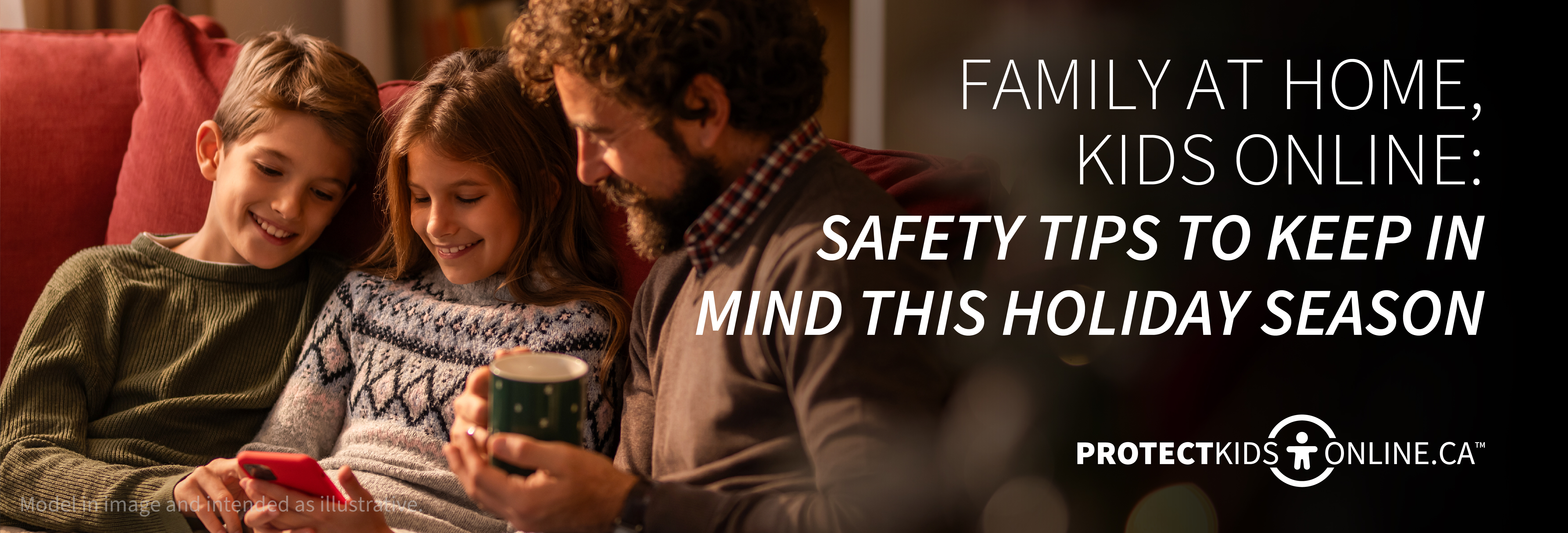
The Canadian Centre for Child Protection (C3P) is encouraging parents to engage their kids in conversations about online safety to ensure their interactions — online and on devices — are safe and secure while home for the holidays.
More down time at home often means more screen time. That’s why it’s important to review online safety strategies with your kid at a time when they’ll have more access to social media platforms like Snapchat® and Instagram®, and online gaming platforms like Roblox® and Minecraft®. It’s an excellent opportunity to strengthen your child’s safety confidence and competence.
Safety not included
Social media wasn’t built with child safety in mind. Exposure to harmful content, unsafe people, and peer to peer bullying are unfortunately a reality of online life for many children.
Consider keeping kids under 16 — and especially those under 13 — off social media and using parental controls and child-safe browsers. If gifting your child a device over the holiday season, take the time to set it up together and enable safety settings; some parents work toward an agreement with their child to occasionally review their online activities.
Supervise internet use
Children under the age of 12 need close supervision online. It’s important to know which online services your child is using and when — even YouTube®, games, and messaging apps can expose children to unsafe content and people. And remember, most of these platforms have policies in place that prohibit kids under 13 from creating accounts themselves.
Lastly, consider offering them devices without internet access whenever possible, encourage other activities instead, and ensure that devices are used in communal spaces.
Boundaries build safety
Clear limits on screen time and devices help foster healthy digital habits. Setting boundaries teaches children how to make safe choices while feeling supported.
Examples of boundaries could include household rules like:
- No social media for children under 16;
- No internet access at night;
- No phones or tablets in the bedrooms at night.
Also discuss what’s safe to share online — and why their bodies are private, even when joking around or being silly.
The bottom line
Make sure to set clear boundaries, stay involved, and keep the conversations going. You don’t have to be a tech expert — your active involvement is what matters most.